29 October 2026
Buying Stimulants: From Speed to MDMA - Overview
Buying stimulants? Compare speed, amphetamine, methamphetamine, MDMA, ecstasy, cocaine and 3-MMC: effects, duration and risks.
Stimulants: from speed to MDMA - the overview
Stimulant substances form one of the most widely used groups of psychoactive drugs. They speed up the central nervous system, increase alertness and often give a feeling of energy, focus and self-confidence. Within this broad family, however, there are major differences. Where one substance works mainly functionally and performance-oriented, another is known for strongly empathogenic or even euphoric effects. In this article we set out the main stimulants: what they are, how they differ and what to watch for.
What exactly are stimulants?
Stimulants, also called 'uppers', are substances that increase the activity of the central nervous system. Many of these affect the neurotransmitters dopamine and noradrenaline, and in some cases serotonin too. The result is usually more energy, a higher heart rate, greater alertness and reduced appetite. The intensity and duration of those effects depend strongly on the specific substance, the dose and the way the drug is taken.
It is worth distinguishing between different kinds. Some stimulants are primarily functional and are used to stay awake or concentrate. Others are mainly recreational and give a clear high or a sense of connection. That variety is exactly why it is useful not to lump the substances together.
Amphetamine and speed (paste)
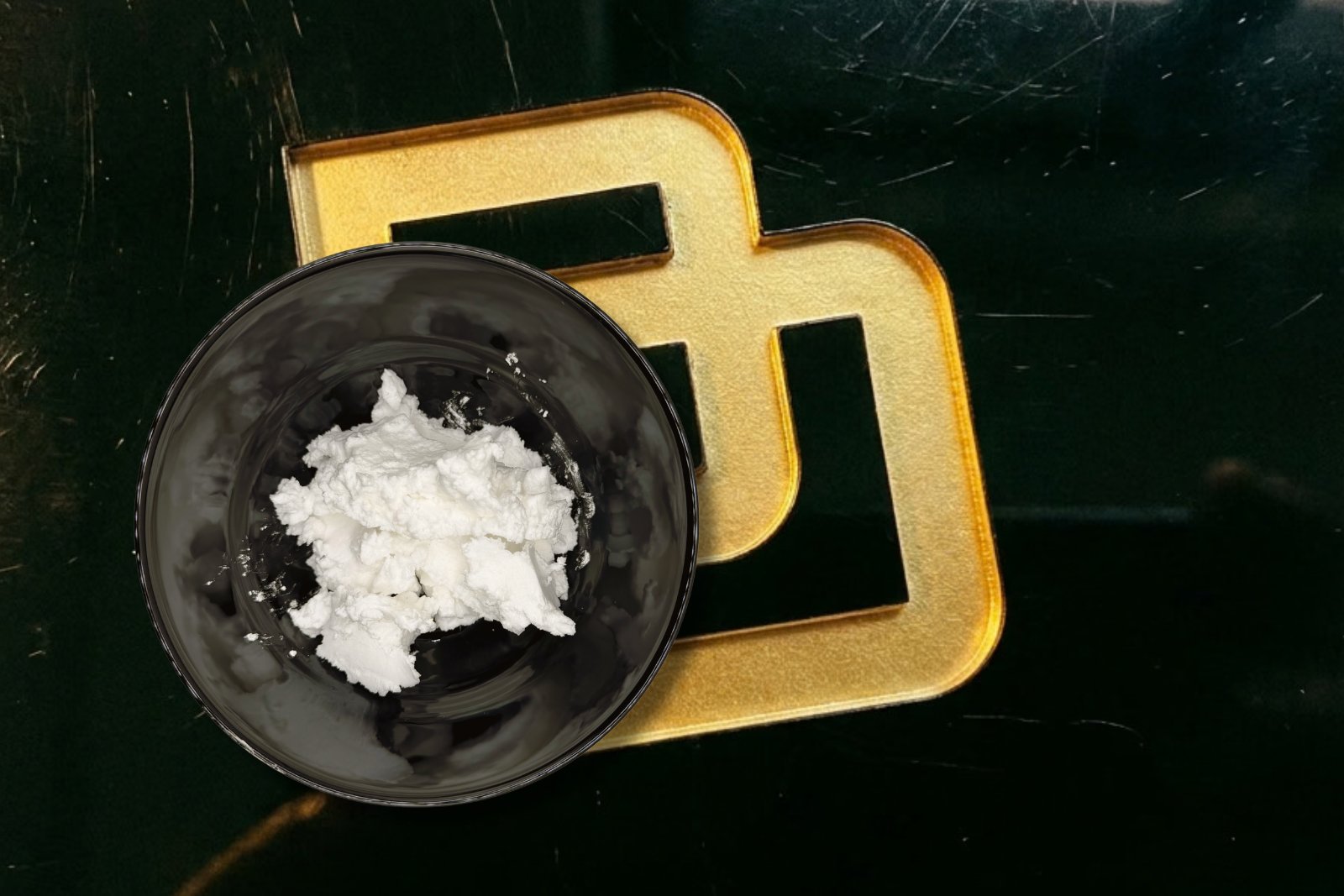
Amphetamine is one of the best-known classic stimulants. On the street it is often called speed or pep, and in many cases it is a paste-like substance. The name 'paste' refers to the moist, sticky form in which amphetamine is often sold; drying the paste makes it more powdery and easier to dose.
Speed is usually snorted or swallowed in small amounts. The effects consist mainly of a long-lasting feeling of alertness, energy and motivation. Compared with methamphetamine, amphetamine is generally milder and slightly shorter-acting. It is, however, still a powerful substance that can seriously disrupt sleep rhythm. Anyone wanting to know what is currently in our range can visit the amphetamine category. A concrete example is amphetamine paste speed 74%, whose purity is clearly stated.
Methamphetamine
Methamphetamine is chemically closely related to amphetamine, but has a clearly stronger and longer-lasting effect. Because methamphetamine reaches the brain faster and more strongly, it is often experienced as more intense. The high can last for many hours and is described by users as a powerful wave of energy, euphoria and a strong sense of control or self-confidence.
Precisely because of that intensity, methamphetamine is a substance with a considerable addiction risk. The come-down can be heavy, and with repeated use tolerance builds up quickly. For anyone handling this substance consciously and informed, weighing accurately and taking long breaks between uses is essential. More background can be found in the methamphetamine category.
MDMA and ecstasy (empathogen)
MDMA occupies a special place among the stimulants. It is indeed related to amphetamine, but is usually counted among the empathogens. That is because the effects go beyond pure energy: MDMA promotes feelings of connection, openness and emotional warmth. It also remains a stimulating substance that gives energy and a raised heart rate.
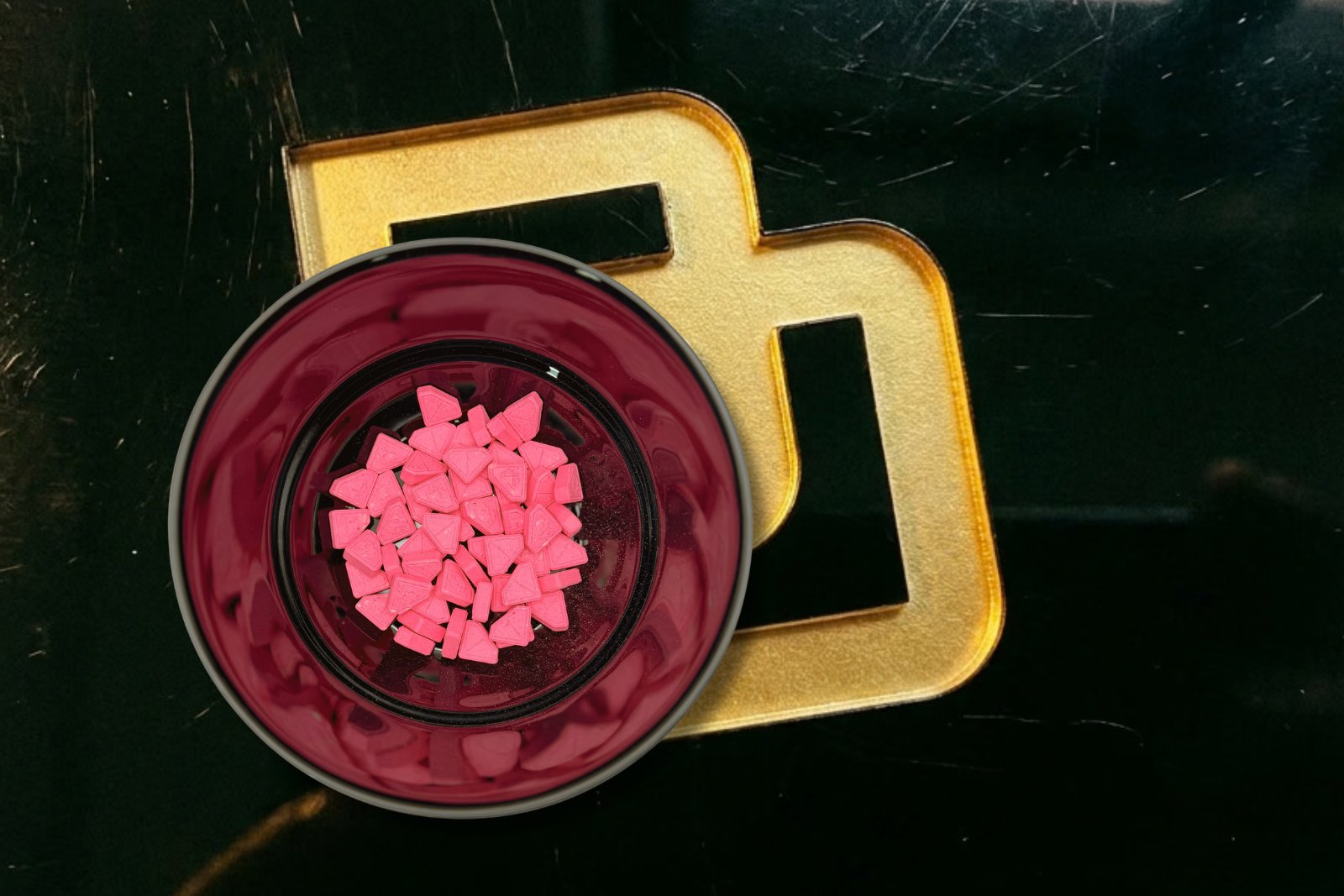
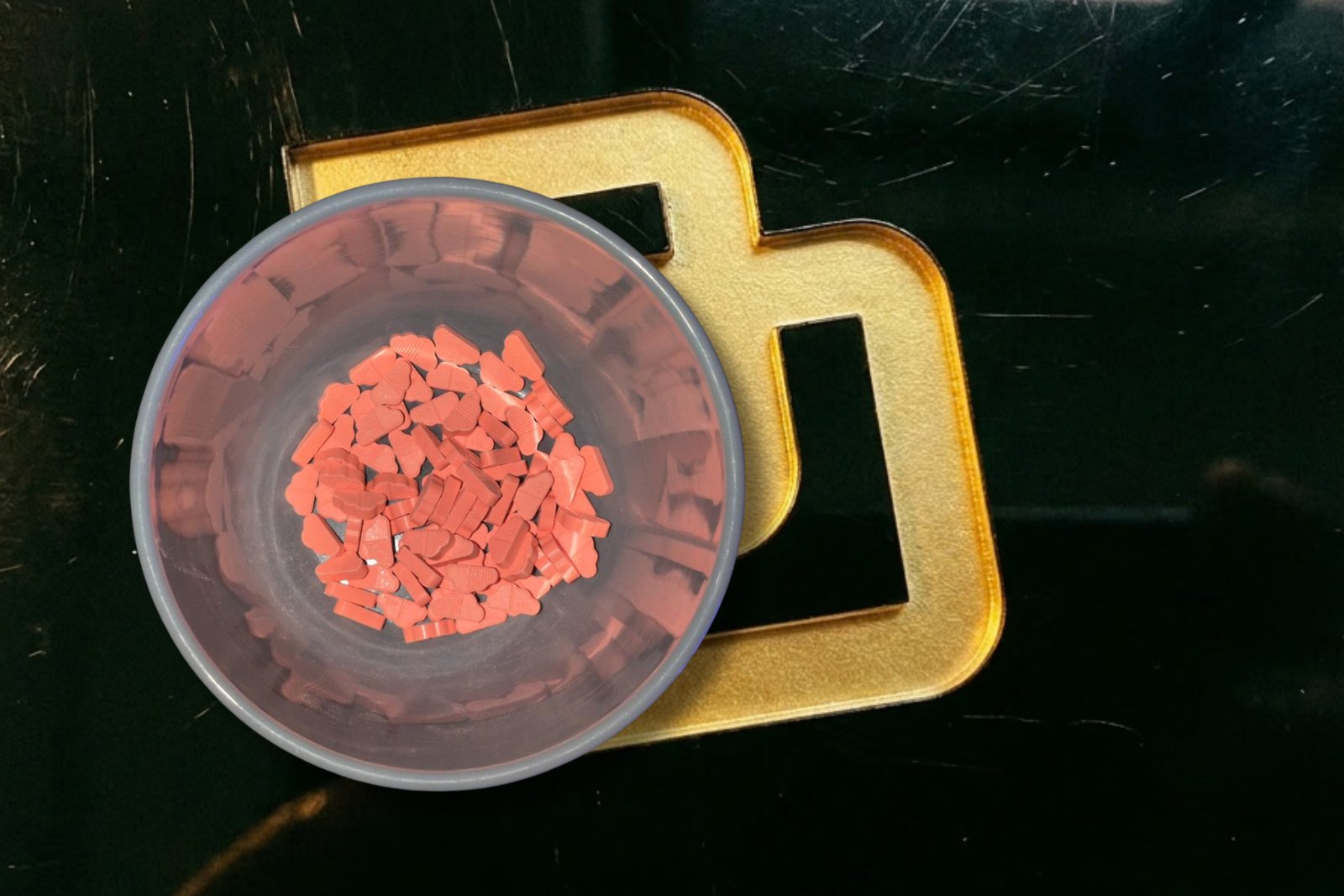
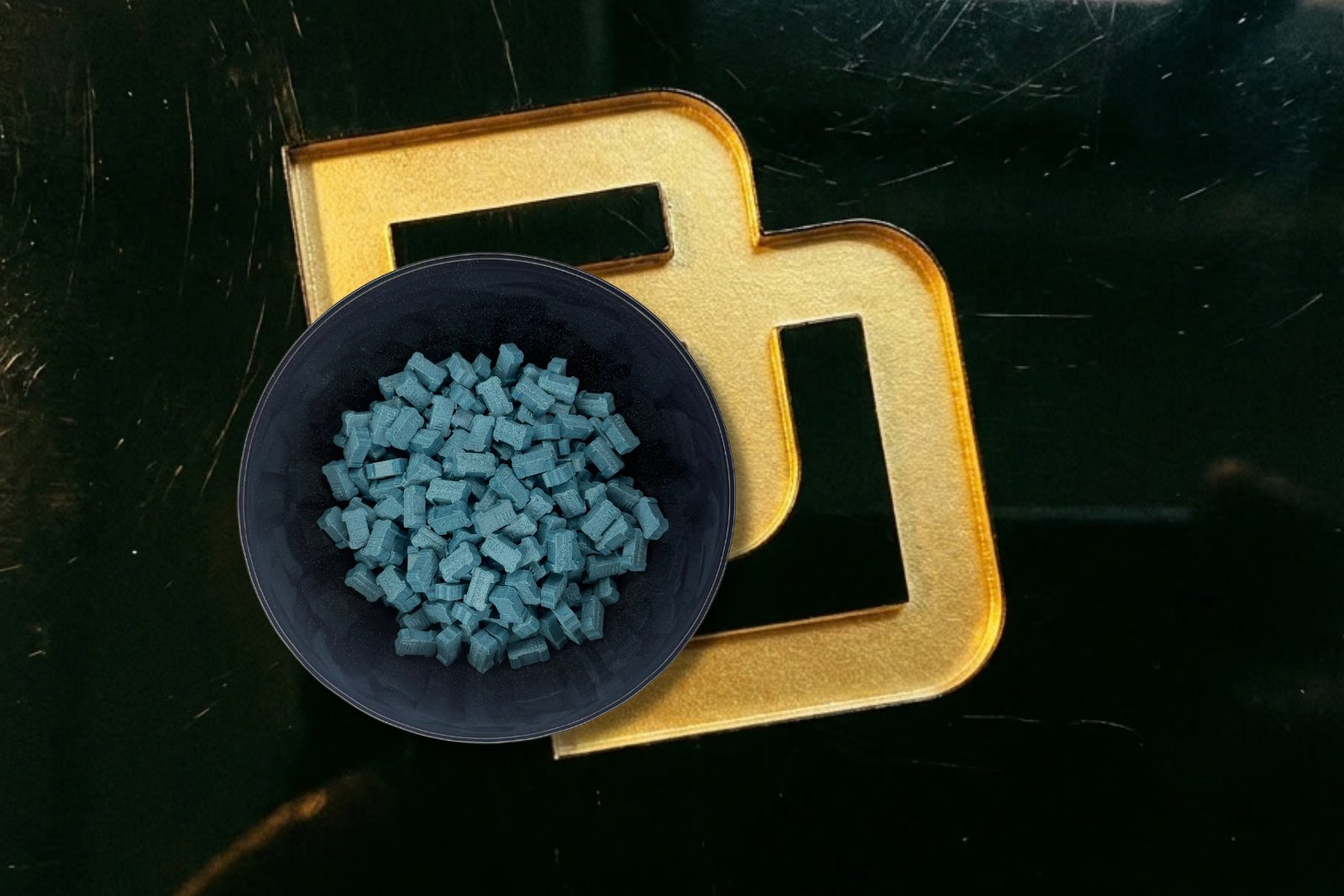
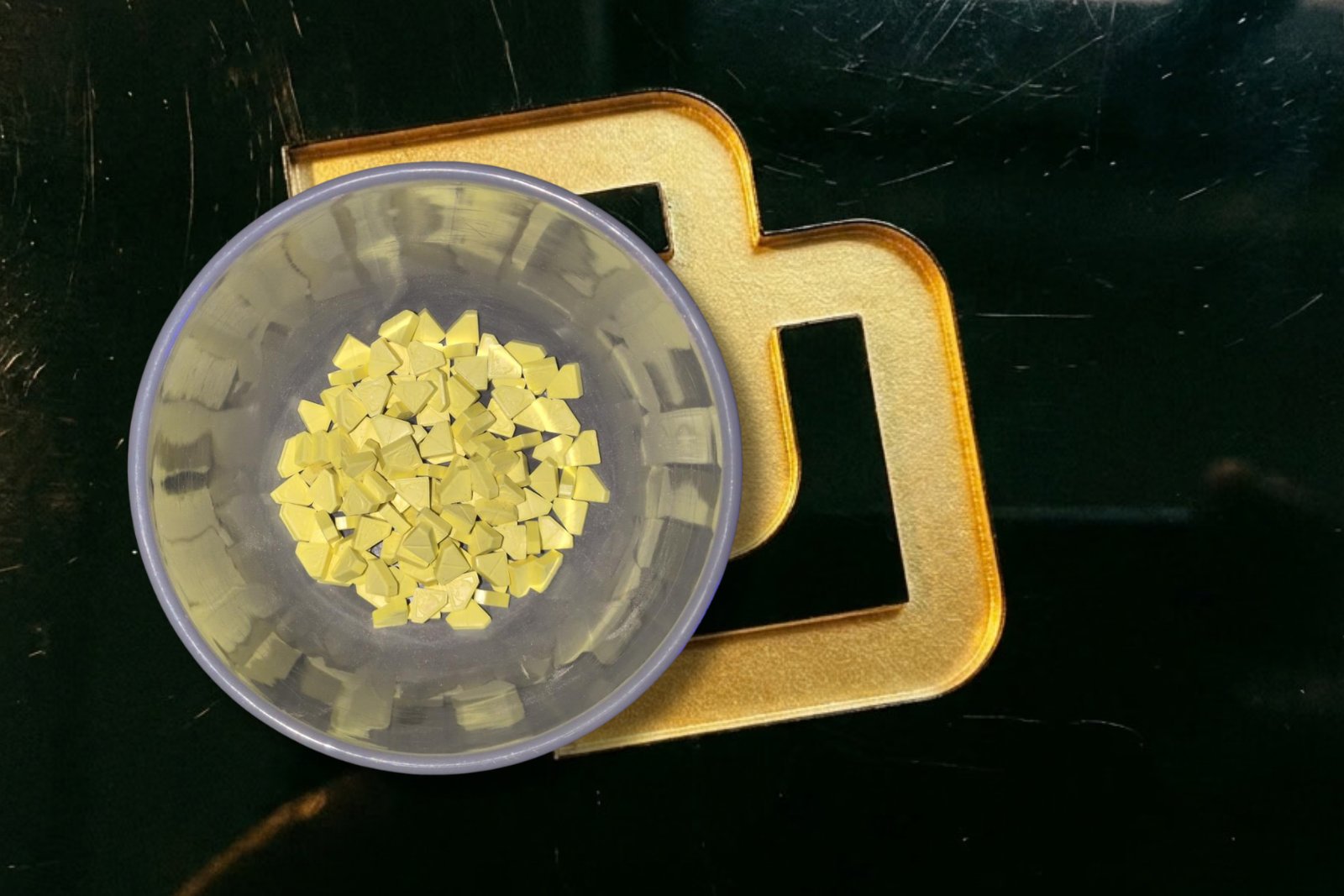
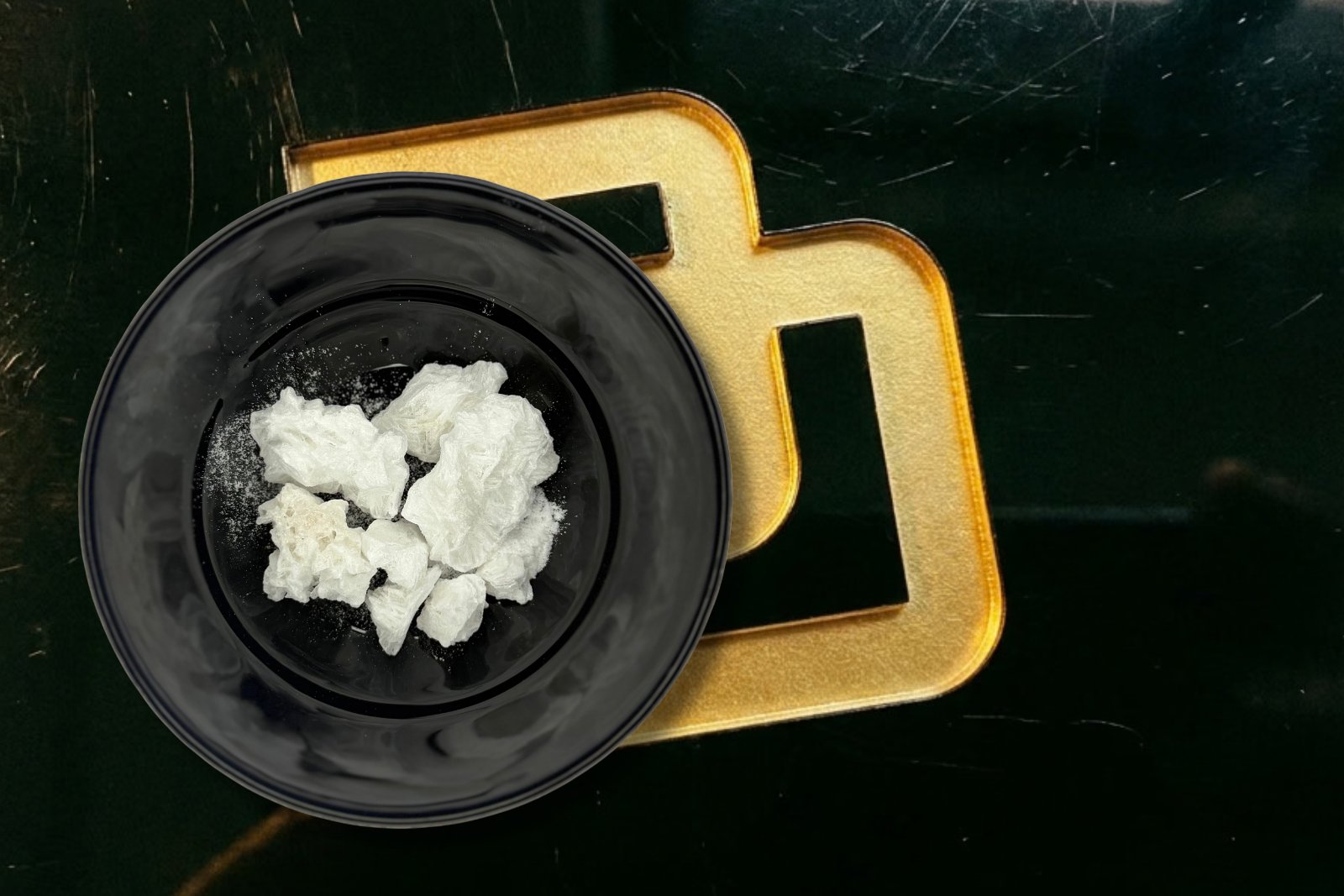
MDMA is often sold as crystal or powder, but most people know it in the form of an ecstasy pill. The difference between MDMA and classic speed lies mainly in the emotional component and the role of serotonin. Where speed mainly "drives you on", MDMA adds an empathic layer. You can read more about both forms under MDMA and XTC.
Cocaine
Cocaine is a stimulant with a character all of its own. It works briefly but powerfully and is known for a strong yet relatively short wave of euphoria, self-confidence and alertness. Because the effects fade quickly, some users feel the urge to dose again and again. That makes cocaine a substance with a different use rhythm than, say, speed, which works much longer.
Cocaine is almost always snorted and therefore strains both the cardiovascular system and the nasal lining. The combination of short effect and strong euphoria calls for conscious handling of dosage and breaks.
3-MMC and other research cathinones
3-MMC is an example of a cathinone, a group of substances chemically related to the khat plant. Within so-called research chemicals, 3-MMC has a place of its own. It combines stimulating properties with an empathogenic undertone, which makes it seem to some to sit between speed and MDMA. The effects are usually shorter than those of MDMA, but more distinctly empathogenic than pure amphetamine.
Because this is a relatively new substance, less long-term research is available. That means caution is extra important: start low, wait long enough and never stack with other stimulants.
Duration and intensity
The duration and intensity of a stimulant largely determine how the substance is used. Amphetamine usually works six to twelve hours, methamphetamine clearly longer, and MDMA sits somewhere in between with a few hours to a good part of the evening. Cocaine and 3-MMC, by contrast, are relatively short-acting, which invites repeated dosing.
Intensity is something different from duration. A substance can be short but intense, like cocaine, or long and rather more even, like speed. Anyone who knows several drugs learns that a long duration does not automatically mean a nicer feeling: it mainly means that the substance stays in the body longer and therefore also affects sleep rhythm and appetite longer.
General dosing principles
Safe use of stimulants starts with a few simple principles:
- Always weigh. Never estimate doses by eye, especially not with paste or powder. An accurate scale is not a luxury but a basic requirement.
- Start low. A lower first dose gives you the chance to judge the strength and your own reaction.
- Do not stack. Do not combine different stimulants and do not add an extra dose just after the first. Re-dosing can intensify the side effects without really improving the desired effect.
- Wait a good while. Allow enough time between moments of use so your body can recover.
Risks to take seriously
Stimulants put strain on the body. The main risks are overheating, especially during exertion in a warm environment, and an increased strain on the heart and vessels. At higher doses in particular, heart rate and blood pressure rise considerably. Insomnia is also a common consequence: a substance that works long makes it hard to fall asleep, and that in turn affects recovery.
Addiction risk also plays a role. Substances such as methamphetamine and cocaine have a strong pull. Regular use leads to tolerance, meaning more and more is needed for the same effect. Sleeping well, drinking enough, cooling down when overheating and setting a clear limit for yourself are the most important protective measures.
Overview and range
Stimulants form a versatile group. Speed and amphetamine are mainly functional and energetic, methamphetamine is considerably more powerful and longer-acting, MDMA and ecstasy add an empathogenic layer, cocaine is short but intense, and 3-MMC sits among them as a research cathinone in its own way. Each substance has its own duration, intensity and risk profile.
At DrugsDrop you will find these substances clearly grouped in the main category stimulants. Within it you will find, among others, amphetamine, MDMA, XTC and methamphetamine. Our products are lab-tested, with clear purity and composition, so you always know what you have in hand. Take the time to learn the differences, weigh carefully and handle these powerful substances consciously.