29 October 2026
3-MMC vs 4-MMC: The Differences | DrugsDrop
3-MMC or 4-MMC (mephedrone)? Compare effect, duration, potency and risks, and read where to buy lab-tested crystals.
3-MMC vs 4-MMC: the differences at a glance
Anyone who looks into the world of research chemicals quickly comes across the terms 3-MMC and 4-MMC. Both substances belong to the cathinones, a family of stimulants chemically related to amphetamines and to the natural substance cathinone from the khat plant. Although the names look very similar and the substances are regularly compared in practice, there are clear differences in action, duration, potency and risk profile. In this article we place the most important similarities and differences side by side, neutrally.
What are 3-MMC and 4-MMC?
3-MMC (3-methylmethcathinone) and 4-MMC (4-methylmethcathinone, also known as mephedrone) are synthetic cathinones. The only difference in name lies in the position of the methyl group on the aromatic ring: with 3-MMC it sits at the third position, with 4-MMC at the fourth. That seemingly small change in molecular structure has a big influence on how the substance works in the body and how the experience feels.
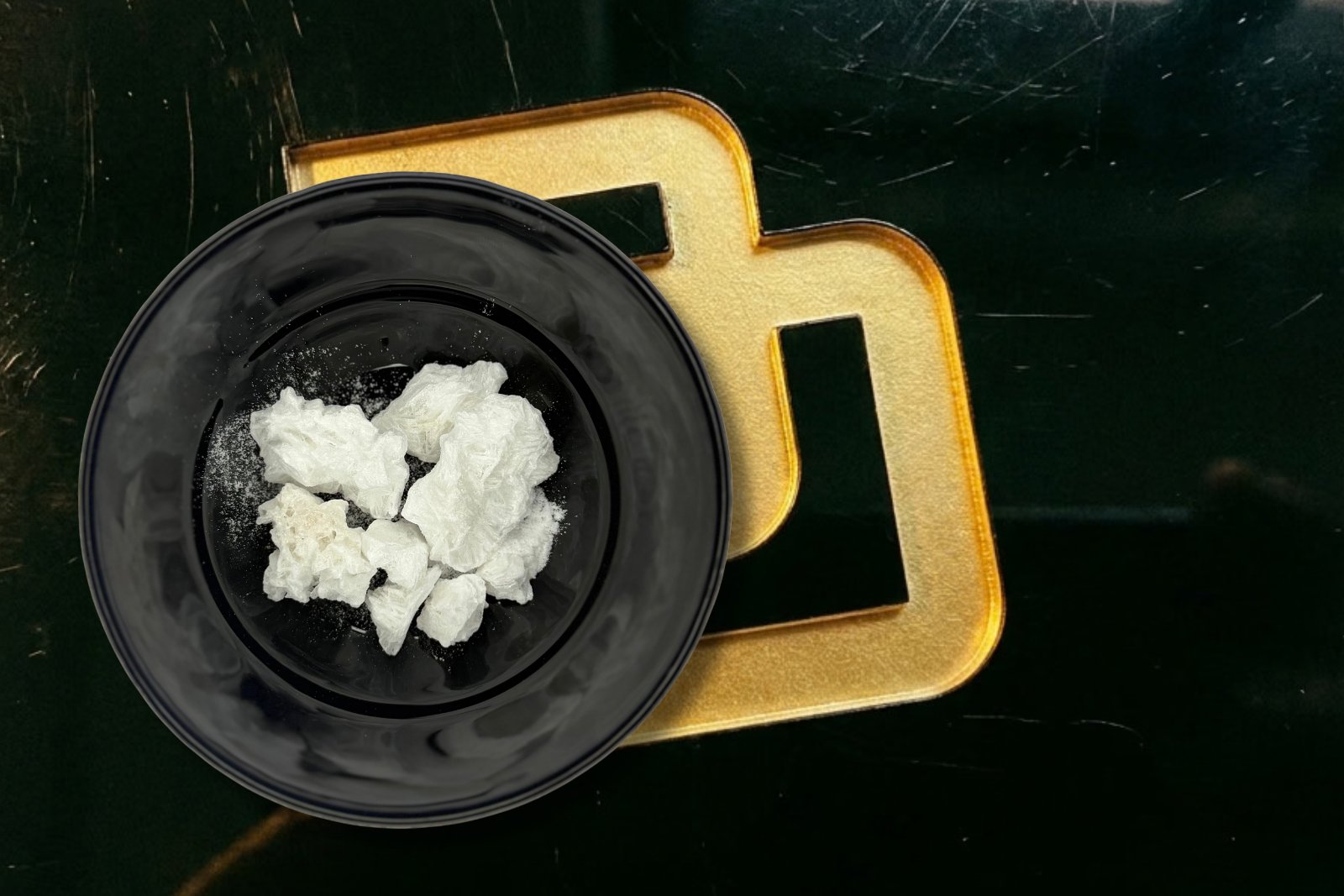
Both are mainly used as recreational stimulants and fall under the broader heading of research chemicals. They are usually sold as powder or crystals and are swallowed, snorted or dissolved in water. These are substances that fall under new psychoactive substance legislation in many countries, and are intended solely for research purposes and not for human consumption.
The difference in effect: empathogenic versus stimulating
The most commonly mentioned difference between the two is the nature of the experience. 4-MMC (mephedrone) is known as a distinctly euphoric and empathogenic substance. Users describe a warm, social and "blissful" feeling, with a strong urge to talk and connect with others. In this way the action of 4-MMC leans strongly toward that of substances like MDMA, albeit with a clear stimulating undertone.
3-MMC, by contrast, is experienced mainly as a more stimulating substance. The experience is indeed social and uplifting, but less emphatically euphoric and less empathogenic than with 4-MMC. Many users describe 3-MMC as a "lighter" or "more functional" variant: energy and alertness come more to the fore, while the intense emotional warmth of mephedrone is largely absent or less prominent.
Duration and potency
The two substances also differ in duration and potency. 4-MMC is generally more potent than 3-MMC. This means that with 4-MMC less of the substance is needed to achieve a comparable effect. At the same time, the total duration of a 4-MMC experience is usually shorter: the peak is intense but subsides relatively quickly, which often prompts users to re-dose.
3-MMC has a slightly milder character and is often described as lasting longer but being less overwhelming. The onset is more gradual and the "crash" afterwards is experienced by many users as less harsh than with mephedrone. Even so, individual reactions can vary widely here, depending on dosage, route of administration, tolerance and set and setting.
Dosing in general terms
We deliberately make no claims about exact dosages, because they depend on, among other things, the product, its purity and individual sensitivity. We can, however, outline the relationship in general terms. Because 4-MMC is more potent, the usual amounts for 4-MMC are lower than for 3-MMC. Anyone switching from 3-MMC to 4-MMC would be wise to start low and wait for the reaction. With 3-MMC, slightly higher amounts are common, precisely because of the substance's milder character.
With both substances the route of administration affects the intensity and speed of the effects. Snorting gives a faster but shorter and often sharper peak, while oral intake leads to a more gradual onset and a longer duration. Regardless of the method, mixing with other substances, including alcohol, significantly increases the risk profile.
Re-dosing and compulsion
On one point 3-MMC and 4-MMC hardly differ: the tendency to re-dose repeatedly. With both substances the urge to dose again is a known and often underestimated phenomenon. With 4-MMC this compulsion is usually strongest: because the euphoric peak fades relatively quickly, many users feel a strong temptation to "top up" to hold on to the pleasant feeling. This can lead to long sessions and a rising total intake.
With 3-MMC the compulsion is often somewhat less pressing, but certainly not absent. Because the substance is slightly milder and lasts longer, users less often feel the acute need to re-dose at once. Even so, a pattern of repeated dosing can develop here too, especially when snorting or during prolonged party use. Setting a maximum amount in advance and deliberately spacing doses helps to break this pattern.
Risks and harm reduction
Both substances carry similar risks. Common side effects are an increased heart rate, raised blood pressure, jaw clenching, sweating, sleep problems and reduced appetite. After prolonged or intensive use, feelings of exhaustion, low mood and irritability can occur, especially in the days after use. At high doses or when combining substances, the risk of cardiovascular problems, dehydration and overheating increases.
- Start low and wait for the reaction, especially when switching between substances.
- Weigh and dose deliberately; guessing by eye is unreliable.
- Drink enough water, but do not overdo it, especially not when dancing for long periods.
- Make sure to cool down and take enough rest breaks.
- Do not mix with other stimulants, alcohol or substances that raise blood pressure.
- Let the body recover: give yourself several days of rest between sessions.
Which one do you choose?
Whether 3-MMC or 4-MMC suits someone better is mainly a matter of personal preference and of what one seeks in an experience. Anyone looking for a strong, warm and socially empathic experience tends toward 4-MMC, that is, mephedrone. Anyone who instead prefers a more stimulating, energetic and somewhat more manageable effect often feels better with 3-MMC. Both substances, however, have their own risks and deserve the same degree of caution and respect.
At DrugsDrop we treat all cathinones as serious research chemicals. In our 3MMC category you will find the full 3-MMC range, while in the 4MMC category you can find mephedrone-related products. For anyone looking for as pure a product as possible, we offer lab-tested 3MMC crystals 99% and 4MMC crystals 99%. Finally, take a look at our overarching research chemicals page for the full range.